Powder coating: which finish suits which use?
Powder coating is popular because it offers a strong layer and a wide range of colors. However, finishing aluminum isn't one size fits all, and the wrong process can accelerate wear or discoloration. In this article, we compare powder coating with other techniques and explain how to choose based on use, environment, and aesthetics. You'll gain a practical framework for making the right choice without unnecessary costs. The goal is a finish that is both attractive and technically reliable. A good choice prevents rework and replaces expensive repairs. The choice also affects service, as repairs vary depending on the finish. Therefore, a short test beforehand is worthwhile. It also saves time in the engineering phase.
Powder coating and the differences with anodic layers
Powder coating forms a solid layer on top of the material, while an anodic process alters the top layer of the metal itself. This results in different properties. A powder layer is usually thicker and provides strong coverage, which is useful for visible work and color variations. Anodic layers are thinner and follow the surface structure, which is beneficial for dimensional stability. Adhesion also differs: powder adheres mechanically, while anodic layers form integrally. This means that damage and repair will have different outcomes. Therefore, choose based on use, not just appearance. Also consider the desired gloss level and sensitivity to scratches.
The thickness of the coating can be an advantage for protection, but a disadvantage for a tight fit. Coverage is sometimes more difficult with sharp edges, so a slight rounding helps. Repairs to powder coatings are often visible, making prevention more important. For visible work, a test panel is useful to assess color and texture. A higher coating thickness can also affect click connections and tolerance chains. Therefore, always check the critical dimensions after the process. For parts with many corners or deep cavities, the powder coating can be less uniform because the process relies on an electrostatic field. This means that some areas become thinner, while edges become thicker. In such cases, it helps to simplify the shape slightly or to plan additional spray directions. A thorough pretreatment with phosphating or a good conversion coating increases adhesion and prevents blistering. Furthermore, the substrate must be dry and dust-free, otherwise pinholes will occur. Also consider the difference between indoor and outdoor applications, as an outdoor coating requires greater UV stability. If you need to machine or tap parts later, the coating can affect the threads. Therefore, plan the order in which you perform your operations and coating. Choose the correct powder type, as polyester and epoxy differ in their UV behavior. A different curing temperature can distort the part if it is thin. Therefore, request process data and check whether the part can withstand the temperature. A short trial run will immediately show whether the shape remains stable. A short test with a mockup can reveal deviations early on.
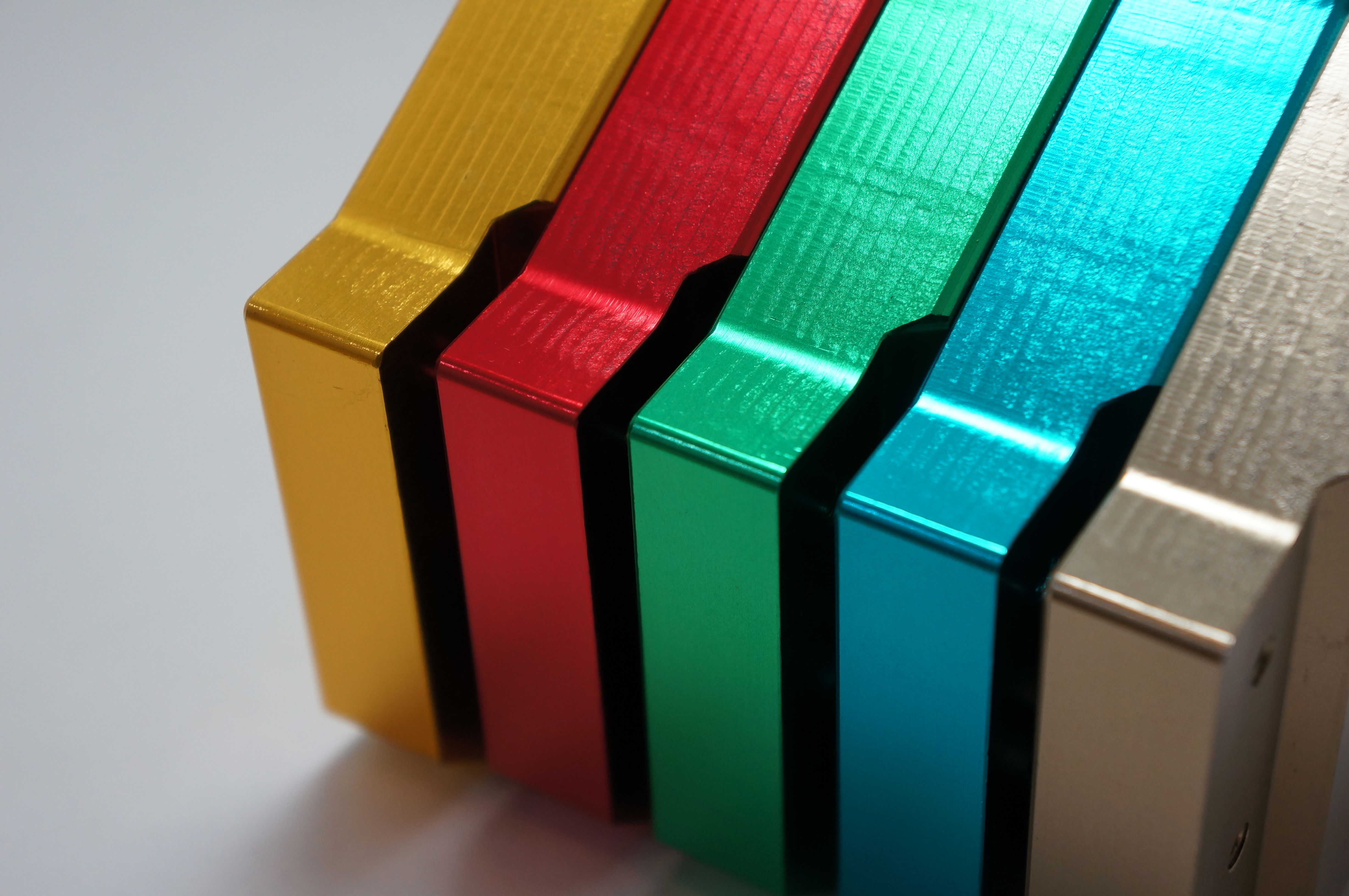
Sustainability, colour and maintenance in practice
With intensive use, wear resistance plays a major role. Powder coating can perform well in this regard, but its quality depends heavily on pretreatment and curing. This makes it part of a broader metal surface treatment process, in which cleaning and degreasing are crucial. A poorly constructed coating is more likely to chip or blister. Also consider maintenance: a matte coating better conceals scratches, while a glossy coating reveals marks more quickly. Determine in advance what kind of environment the product will be exposed to, such as UV light, salt, or chemicals. This will determine